
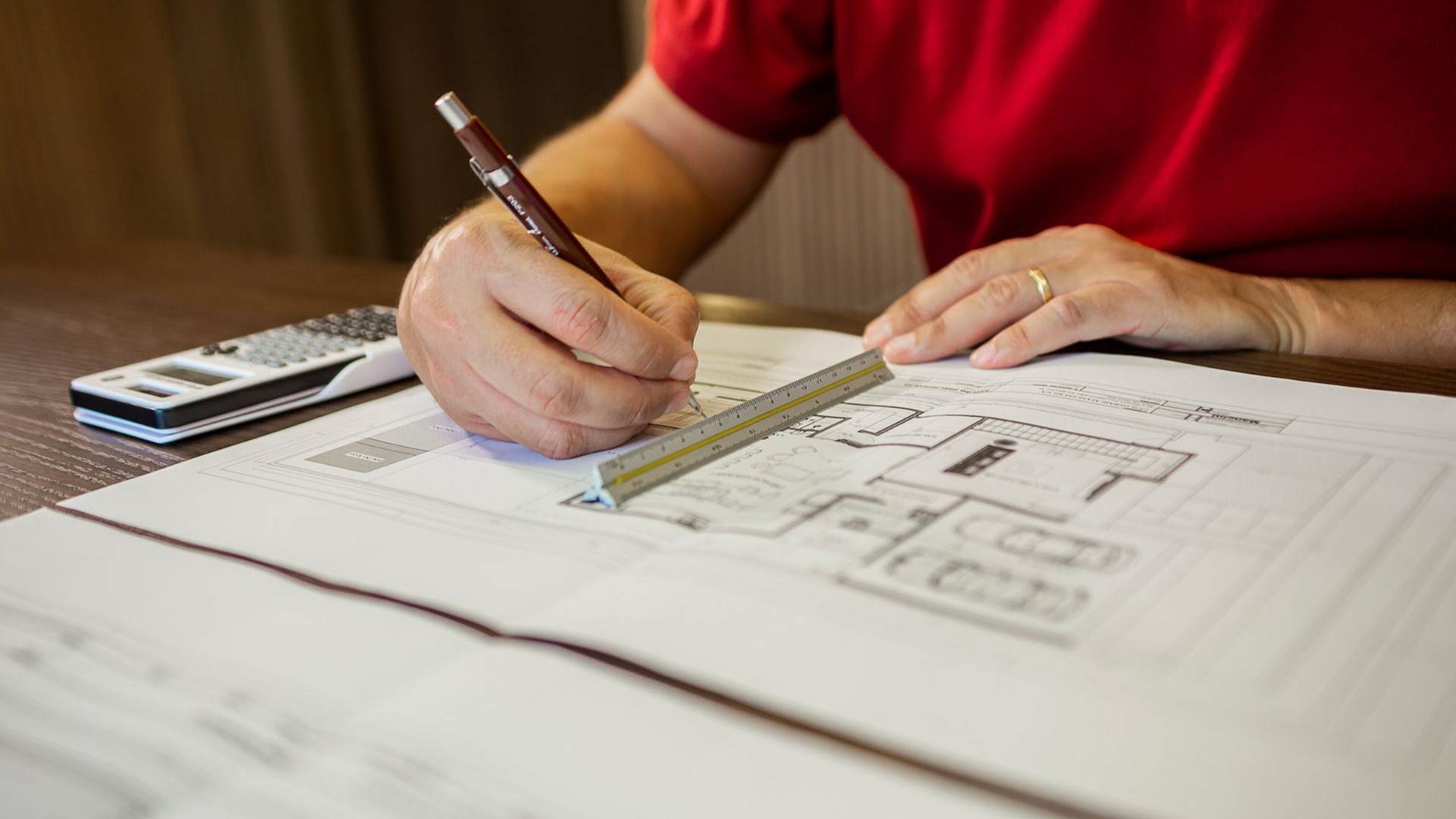
Having recently carried out a small office project to create two meeting rooms, Alun Evans, Partner at Bevan Buckland, was reminded of advice a friend gave him several years ago: ‘In any building project, estimate the cost and time thoroughly. Then double it.’ His small project overran by 75%. Admittedly, the figures were relatively small for a three-room partition.
In this blog, Alun looks at why projects so often overrun, and what that means for the budgets, cash flow and funding of business owners.
What Does the Research Say?
Shortly after the project was completed, another friend, who ran a very successful construction business, told him that overruns of this kind are common and recommended How Big Things Get Done by Professor Bent Flyvbjerg and Dan Gardner. After analysing thousands of projects, the authors found that cost overruns and delays are not the exception. They are the norm.
The Sydney Opera House is arguably the best-known example. When construction began in 1959, it was expected to take around four years and cost approximately A$7 million. In reality, it took 14 years and cost around A$102 million, an increase of more than 1,300%.
Why Do We Consistently Get It Wrong?
Research points to two main causes:
- Optimism bias: People naturally believe things will go better than they usually do. We assume that everything will go smoothly and the best-case scenario is the most likely outcome. In reality, it rarely is.
- Strategic misrepresentation: Estimates are sometimes deliberately presented in the best possible light, because approval is more likely when costs appear lower and timescales appear shorter.
Why Overruns Matter to Your Cash Flow
The Opera House is an extreme case, but the same pattern affects ordinary businesses. Projects such as office relocations, IT systems, new product launches and acquisitions are all at risk, and an overrun usually means cash is needed sooner and for longer than planned. That can lead to unplanned borrowing, pressure on working capital and a delay before the expected benefits arrive.
This is why the numbers matter before work begins. A realistic budget includes a contingency, a cash flow forecast shows whether the business can absorb a delay or an overspend, and funding should be agreed with some headroom built in. A useful test is to run the forecast with higher costs and a later finish, and see whether the business still copes and the project still pays for itself.
A Checklist Before You Commit
Alongside the numbers, here is a checklist, drawn from the book, that is worth working through before you commit to any significant project:
- Start by asking why you are doing the project: Avoid starting work until the scope, objectives and specifications are clear. Quantify the expected benefits and the costs in money and time, and ask whether the current solution is perfectly fine. In a typical project, costs are underestimated and future benefits are overstated.
- Hire an experienced contractor: Experience is undervalued. Talk to other businesses that have delivered a similar project, and don’t be swayed by salesmanship unless it is backed up by proven experience.
- Think twice before being first: It is exciting to be an early adopter but be very nervous if you hear the word ‘bespoke’.
- Be wary of a strong, charismatic leader (it may be you): Many project disasters begin with a confident leader saying ‘Let’s get started’ before the planning is complete.
- Be prepared to say no and walk away: Does the project need doing at all? ‘No’ is the most difficult word to say.
If you only act on one of these, make it the first. Putting numbers on the benefits and the costs, in money and time, gives you the figures for your budget and cash flow forecast.
Whether you are building a new factory, implementing a new IT system or fitting out an office, the same principle applies: slow down before you start. It is almost always cheaper than doubling the initial estimate of cost and time taken.
How We Can Help
A second pair of eyes on the budget and cash flow forecast before you commit can save money later. If you are weighing up a significant project, you can speak to Alun and the team on 01437 760666 or email mail@bevanbuckland.co.uk.
Source: How Big Things Get Done, Bent Flyvbjerg and Dan Gardner (ISBN 978-1-0350-1895-6)